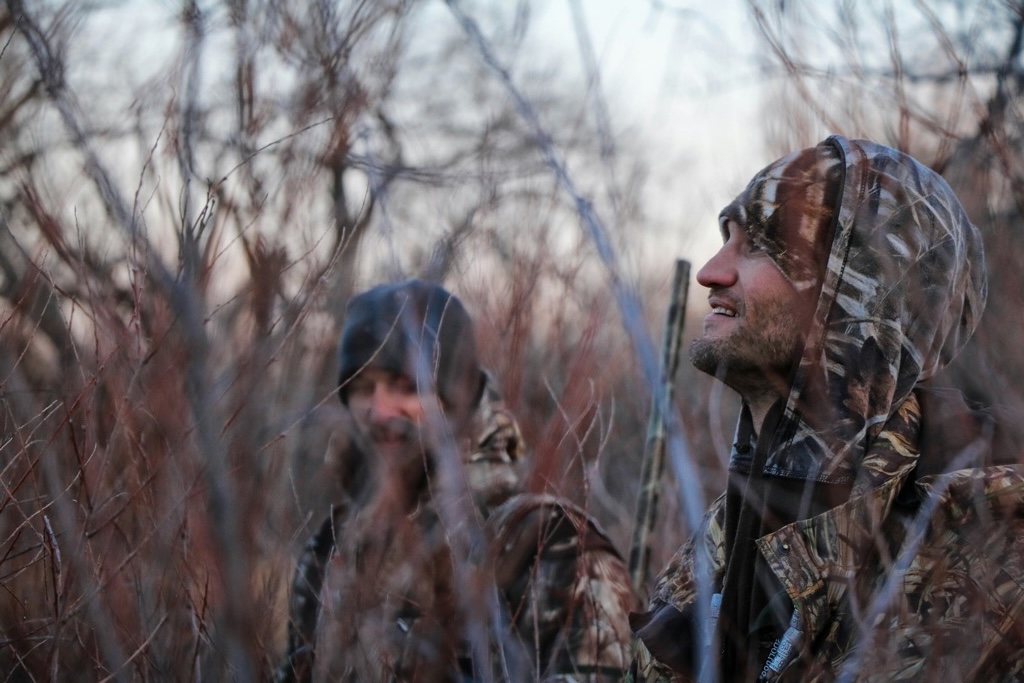
Northern Missouri attracts whitetail-property buyers because of its combination of agricultural ground, timbered draws, creek corridors, brush, rolling terrain, and rural land use.
However, choosing a county is only the beginning. A productive hunting property still needs the right combination of food, bedding cover, water, travel routes, access, and surrounding habitat.
Scotland, Macon, Adair, Daviess, and Harrison counties each deserve consideration when searching for northern Missouri whitetail hunting land. This guide compares the counties using recent harvest information and practical property characteristics that buyers should evaluate before making an offer.
Recent Deer Harvest Activity in These Counties
The Missouri Department of Conservation reported the following harvest totals for the 2025-2026 season:
| County | Archery Harvest | Firearms Harvest | Total Reported Harvest |
|---|---|---|---|
| Macon | 980 | 3,500 | 4,525 |
| Harrison | 763 | 2,457 | 3,220 |
| Daviess | 631 | 2,242 | 2,873 |
| Scotland | 533 | 2,107 | 2,640 |
| Adair | 597 | 2,042 | 2,639 |
The figures come from the Missouri Department of Conservation’s 2025-2026 Deer Harvest Summary.
These totals show meaningful hunting activity, but they do not rank individual farms. They also do not account for county size, huntable acreage, hunter effort, hunting pressure, or the age structure of the deer herd.
Use the numbers to understand the broader area, then investigate the individual property.
Scotland County Whitetail Hunting Land
Scotland County sits along the Iowa border in northeastern Missouri. Memphis serves as the county seat, and much of the surrounding area remains agricultural and rural.
Properties in Scotland County may include crop fields, hay or pasture ground, timbered drainages, creeks, ponds, brush, and wooded field edges. These combinations can give deer access to food and travel cover, but the relationship between those features matters more than their simple presence.
A crop field can provide food without giving deer a secure place to bed. A block of mature timber can provide shade and mast while offering little ground-level cover. The better candidates connect food and cover without forcing deer to cross heavily traveled roads or exposed ground.
What buyers should examine in Scotland County
- Timbered corridors connecting multiple farms
- Brush or young timber that provides security cover
- Crop-field corners and secluded field entrances
- Creeks, ponds, and seasonal water
- Access from more than one wind direction
- Proximity to public ground or heavily hunted properties
- Whether the farm holds deer or primarily receives nighttime traffic
A property near Memphis may also be convenient for buyers coming from Iowa, Illinois, or elsewhere in northeastern Missouri. Drive time matters when you plan to manage habitat or hunt more than a few weekends each year.
Macon County Whitetail Hunting Land
Macon County produced the largest reported harvest among these five counties during the 2025-2026 season. It also recorded 980 archery deer and 3,500 firearms deer.
This does not guarantee that every Macon County farm will hunt well. It does show that the county supports considerable activity across multiple hunting methods.
Properties around Macon may combine crop ground, pasture, wooded draws, ponds, creeks, brush, and larger blocks of timber. This variety can suit buyers who want hunting, agricultural income, recreation, and possible building potential from the same property.
What buyers should examine in Macon County
- Crop ground and existing farm arrangements
- Timbered draws connecting feeding and bedding areas
- Cover near the interior of the property
- Field access for both farmers and hunters
- Existing ponds and dependable water
- Locations for low-pressure food plots
- CRP contracts or other program requirements
- Trails and access for equipment or deer recovery
Macon County can work particularly well for a buyer who wants a farm with more than one purpose. The tradeoff is that agricultural activity, tenants, roads, livestock, and neighboring hunters can influence how deer use the land.
Ask when crops are normally harvested, who has access to the farm, and whether agricultural traffic overlaps with your intended hunting areas.
Adair County Whitetail Hunting Land
Adair County includes Kirksville and surrounding rural communities. Its location makes it accessible to hunters interested in northeastern Missouri without being as close to the state line as Scotland County.
The county’s rural properties may include rolling farmland, pasture, timbered creeks, wooded draws, ponds, brush, and recreational acreage. Smaller parcels can hunt successfully when their cover connects with larger neighboring habitat, but they can also be highly dependent on decisions made across the property line.
What buyers should examine in Adair County
- How the property connects with neighboring timber
- Whether nearby crop fields provide seasonal food
- Interior cover that is protected from roads and homes
- Creek corridors and wooded drainage systems
- Parcel shape and distance from property boundaries
- Hunting pressure on adjoining farms
- Utility and road access for cabins or future improvements
- Floodplain concerns near creeks and bottom ground
A compact parcel with good access and secure cover can be more useful than a larger but narrow tract. Study how much of the advertised acreage can be hunted without constantly approaching boundaries.
Daviess County Whitetail Hunting Land
Daviess County includes Gallatin, Jamesport, Pattonsburg, and other small communities surrounded by farmland and rural acreage.
Agricultural ground can provide significant food, while wooded waterways, draws, brushy field borders, and neglected corners may provide travel cover and bedding opportunities. The best farms usually have more than a hard boundary between an open field and mature timber.
Gradual transitions that include grass, weeds, shrubs, young trees, and thicker understory can provide both forage and security.
What buyers should examine in Daviess County
- Crop-to-cover transitions
- Brushy waterways and timbered creek corridors
- Field corners that can be hunted without disturbing the farm
- Wet-weather road and field access
- Drainage and floodplain areas
- Existing leases and tenant rights
- Areas that could be converted into native cover
- Entry routes for common fall wind directions
The University of Missouri Extension notes that northern Missouri’s deeper, nutrient-rich soils support agriculture and can influence forage quality, deer-body development, and antler growth. Soil quality alone does not create a good hunting property, but productive ground combined with secure cover can give a farm meaningful habitat potential.
Harrison County Whitetail Hunting Land
Harrison County sits along the Iowa border in northwestern Missouri, with Bethany serving as the county seat.
The county recorded the second-highest total harvest among these five target counties during the 2025-2026 season. Its reported harvest included 763 archery deer and 2,457 firearms deer.
Buyers may encounter crop ground, pasture, rolling terrain, timber, ponds, creeks, brush, and larger rural parcels. Larger acreage can create more management flexibility, but buyers should still evaluate how much cover exists within the property rather than assuming deer will stay because the tract is large.
What buyers should examine in Harrison County
- Large blocks of usable security cover
- Travel corridors between crop ground and bedding areas
- Fence lines, creek crossings, saddles, and field corners
- Multiple access routes for changing winds
- Road quality during wet or snowy weather
- Distance to fuel, lodging, supplies, and processors
- Farm income and maintenance obligations
- Locations for ponds, food plots, trails, or a cabin
A large Harrison County farm may support multiple hunters and stand locations, but pressure must still be managed. Driving through the property frequently or accessing every stand from the same direction can reduce the advantage of owning additional acreage.
Why Harvest Numbers Cannot Choose a Property for You
County harvest data measures reported deer taken during a season. It does not tell you:
- How many hunters participated
- How many acres were available to hunt
- How much pressure a specific neighborhood receives
- The age structure of harvested bucks
- Whether a property holds deer during daylight
- How neighboring landowners manage their farms
- Whether access works with prevailing winds
- Whether the land has dependable food and cover
A county with a lower total harvest can contain an outstanding farm. A county with a high total harvest can contain properties with little cover, difficult access, or heavy pressure.
Evaluate the farm, not merely its ZIP code.
Eight Factors to Compare Before Buying
1. Food
Identify crops, mast-producing trees, browse, native plants, food plots, and food sources on neighboring land. Determine what remains available after crops are harvested.
2. Bedding cover
Look for brush, young timber, tall native vegetation, overgrown fields, and other areas where deer can avoid regular disturbance.
3. Water
Confirm whether ponds, creeks, springs, or livestock water remain dependable during dry conditions.
4. Access
Study whether hunters can enter and leave without crossing major feeding areas, bedding cover, or primary travel routes.
5. Parcel shape
Compact parcels usually provide more interior space. Narrow or irregular properties may force hunters close to roads, homes, and neighboring boundaries.
6. Surrounding land
Review at least the surrounding square mile. Deer movement may depend on crops, timber, pressure, and cover located beyond the property line.
7. Income and agreements
Verify farm leases, hunting leases, grazing agreements, CRP contracts, easements, and other obligations. Determine exactly what transfers with the sale.
8. Improvement potential
Identify realistic locations for food plots, native cover, ponds, timber work, trails, access roads, buildings, or a cabin. Estimate the cost before deciding that a weakness can be corrected easily.
Questions to Ask Before Making an Offer
Before purchasing northern Missouri whitetail hunting land, ask:
- Does the property have recorded legal access?
- Have the boundaries been surveyed and marked?
- Are there active farm, grazing, hunting, or CRP agreements?
- Who currently has permission to enter or hunt the property?
- When are crops normally planted and harvested?
- Where are the primary bedding areas?
- Can stands be accessed with different wind directions?
- Is water available throughout the year?
- Are any areas located in a floodplain?
- Are mineral and timber rights included?
- Are utilities available near a potential cabin or homesite?
- What hunting pressure exists on neighboring land?
- Are there current CWD-related restrictions affecting management plans?
- Can a harvested deer be recovered without crossing another property?
- What improvements would be needed during the first three years?
Missouri’s hunting rules and CWD requirements can change. Review the current Missouri deer regulations before establishing feeding, mineral, carcass-handling, or habitat-management plans.
Which County Fits Your Property Search?
Each county offers a different starting point:
- Scotland County: Northeastern Missouri farms near Memphis and the Iowa border
- Macon County: Strong recent harvest activity with agricultural and recreational options
- Adair County: Rural acreage near Kirksville with rolling farmland and timbered corridors
- Daviess County: Agricultural properties with crop-to-cover hunting opportunities
- Harrison County: Northern border acreage near Bethany with room for larger-property management
The right answer depends on your budget, preferred acreage, travel time, hunting method, appetite for habitat work, and long-term ownership plans.
Start Your Northern Missouri Whitetail Property Search
Tell Boyer Land Company which counties interest you, how many acres you need, your approximate budget, and what the property must include.
We can help you compare available whitetail hunting land based on habitat, access, income, improvements, and long-term ownership fit.
Tell Us What You’re Looking For
You can also view available Missouri hunting properties or call (636) 295-1476.